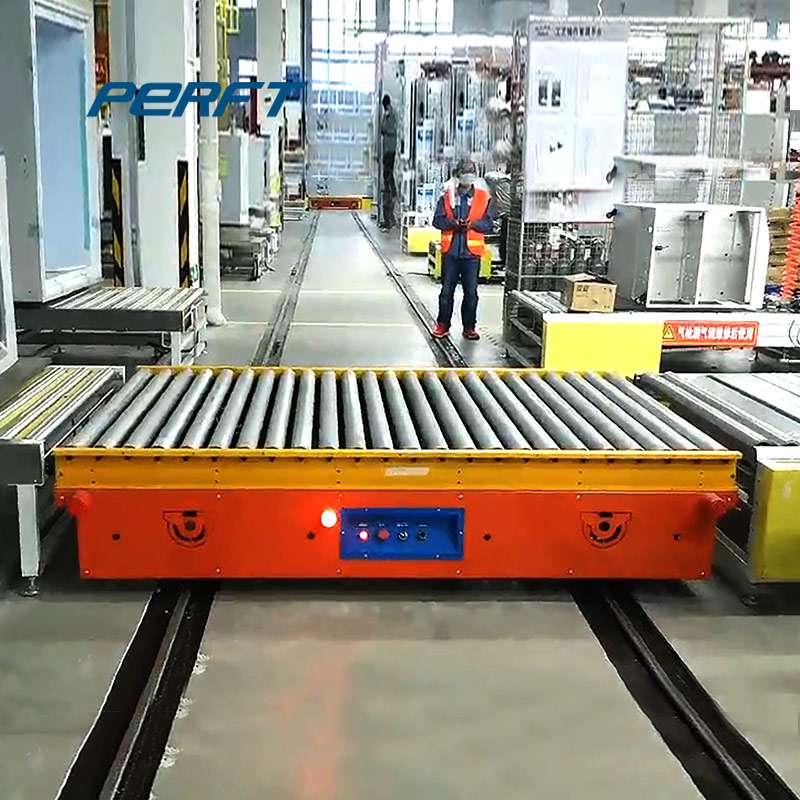
In a workshop automation system, the integration of AGV (Automated Guided Vehicles) with conveyor belts may seem straightforward, but it is a critical factor influencing overall production efficiency.
By integrating remote controls, LiDAR and tilt sensors, PLCs, and wireless communication, electric carts enable safe, precise, and automated material handling—playing a vital role in smart manufacturing and logistics systems.
Explore how Automated Guided Vehicles (AGVs) revolutionize smart factories with autonomous navigation, 24/7 operation, and enhanced safety. Learn about AGV components, key applications in manufacturing and logistics, and the major benefits in productivity, cost savings, and operational efficiency.
Discover the key benefits of motorized transfer trolleys, including high efficiency, ease of use, eco-friendliness, and low maintenance. Learn how to overcome common limitations like battery range and load capacity to optimize performance.
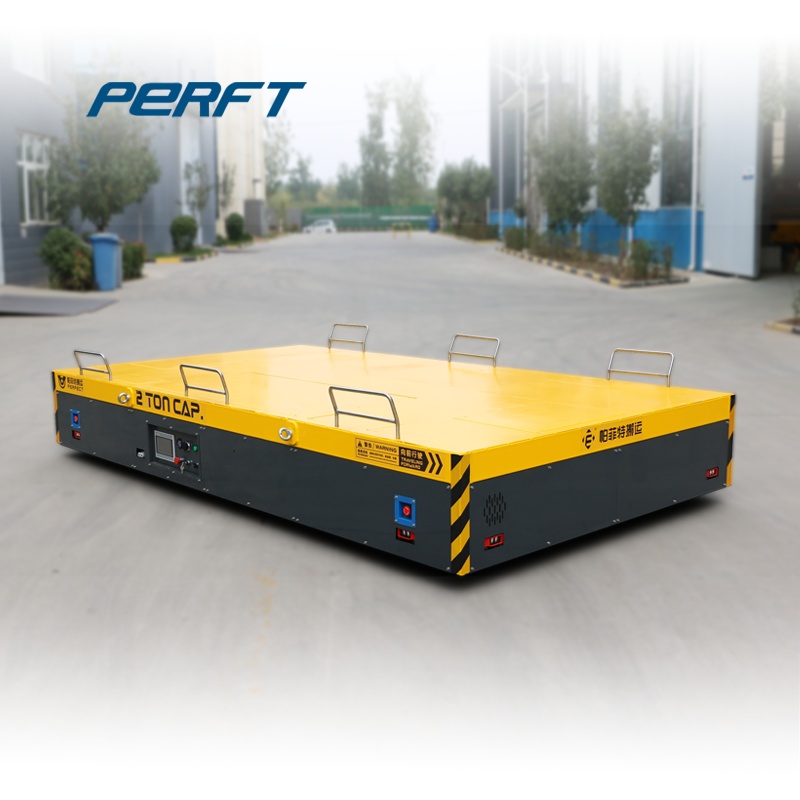
This kind of battery powered transfer equipment provides safe, flexible, and efficient material handling solutions for automobile manufacturing, steel processing, warehousing, and logistics industries through modularized design and an intelligent control system.
In-depth analysis of initial procurement costs, installation, maintenance fees, and application scenarios for three power supply methods of electric rail transfer trolleys. Empower enterprises to optimize long-term operational costs by selecting the best solution based on working conditions, budget, and maintenance capabilities.
Compare the pros and cons of rail transfer trolleys vs. steering transfer trolleys—learn which is best for your transport needs based on load capacity, stability, flexibility, cost, and installation requirements.
Briefly compares AGV and RGV navigation methods (laser, magnetic tape, track guidance, etc.) and vehicle structures (chassis, payload arrangement, power system, wheel configuration), to guide equipment selection.
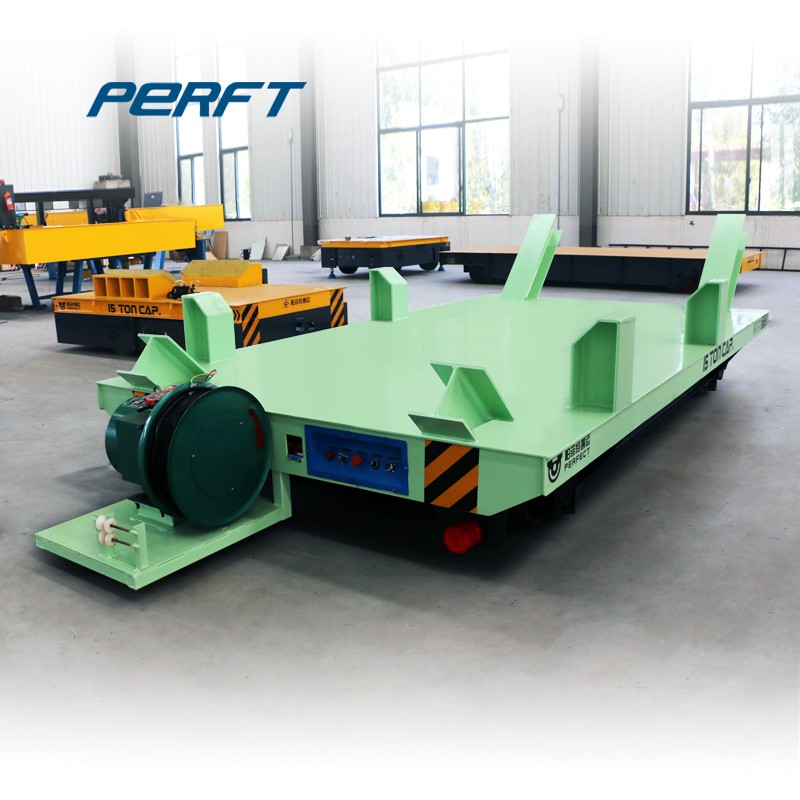
Electric transfer trolley on rail cable reel selection is a comprehensive decision-making process, which requires comprehensive consideration of operating conditions, cable specifications, working environment, installation space, cost and maintenance, and other key factors.
To improve the reliability and stability of electric transfer cart, attention should be paid to the maintenance and management of motors, and scientific and reasonable prevention and solution strategies should be formulated in combination with the working environment and use conditions.
When transporting canned liquid materials, how to maintain balance and prevent leakage is a question that many people have. For electric transfer trolleys, the following aspects can be done well to efficiently and safely complete the transfer of liquid materials.
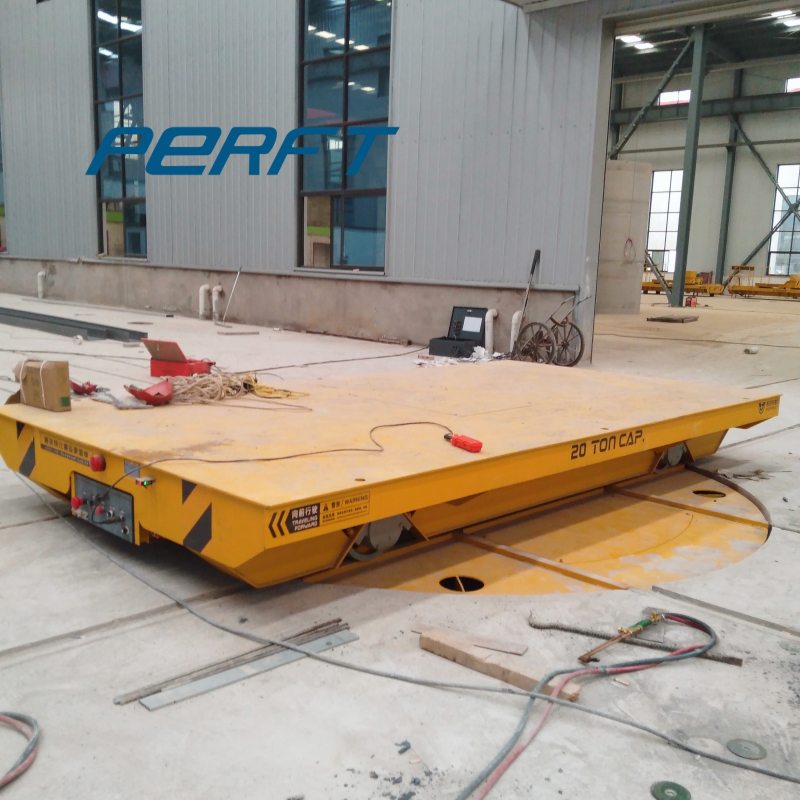
Electric trolleys play an important role in industrial production, logistics and transportation, and the requirements of electric trolleys vary according to the working conditions.